Why Social Leasing Could Transform Urban Mobility
Social leasing Part 1: An introduction

What is Social Leasing
This article series explores the strategic role social leasing can play in accelerating modal shift, improving accessibility, and stimulating growth across the cycling industry.
By Nick Brown
Founder, haveconsult
Board Member, European Cycling Industries
Vice Chair, Bike Share & Social Leasing Expert Group
Introduction
Across the UK and Europe, transport is becoming increasingly expensive. Rising rail fares, fuel prices, insurance costs, and the overall cost of living are placing growing pressure on households. At the same time, cities are attempting to reduce congestion, improve air quality, and accelerate the shift toward lower-carbon transport. Yet one major challenge remains: accessibility. While cycling is often presented as an affordable and sustainable mobility solution, the reality is that many people still cannot afford the upfront cost of a quality bicycle or e-bike. Even where cycling infrastructure exists, cost barriers continue to limit bicycle access—particularly for lower-income households and people living outside dense urban centres. This is where social leasing is beginning to emerge as a transformative mobility model. Already gaining momentum across parts of Europe, social leasing creates affordable access to bicycles and e-bikes through subsidised long-term rental or leasing programmes. Instead of requiring consumers to spend £2,000–£4,000 upfront on an e-bike, social leasing enables access through manageable monthly payments, often supported through public funding, mobility authorities, and more recently, the EU Social Climate Fund. As the cycling industry and transport systems evolve toward more integrated, sustainable urban mobility, social leasing could become one of the most important tools for accelerating cycling uptake and reducing transport inequality.
What is Social Leasing
Across the UK and Europe, transport is becoming increasingly expensive. Rising rail fares, fuel prices, insurance costs, and the overall cost of living are placing growing pressure on households. At the same time, cities are attempting to reduce congestion, improve air quality, and accelerate the shift toward lower-carbon transport. Yet one major challenge remains: accessibility. While cycling is often presented as an affordable and sustainable mobility solution, the reality is that many people still cannot afford the upfront cost of a quality bicycle or e-bike. Even where cycling infrastructure exists, cost barriers continue to limit bicycle access—particularly for lower-income households and people living outside dense urban centres. This is where social leasing is beginning to emerge as a transformative mobility model. Already gaining momentum across parts of Europe, social leasing creates affordable access to bicycles and e-bikes through subsidised long-term rental or leasing programmes. Instead of requiring consumers to spend £2,000–£4,000 upfront on an e-bike, social leasing enables access through manageable monthly payments, often supported through public funding, mobility authorities, and more recently, the EU Social Climate Fund. As the cycling industry and transport systems evolve toward more integrated, sustainable urban mobility, social leasing could become one of the most important tools for accelerating cycling uptake and reducing transport inequality.
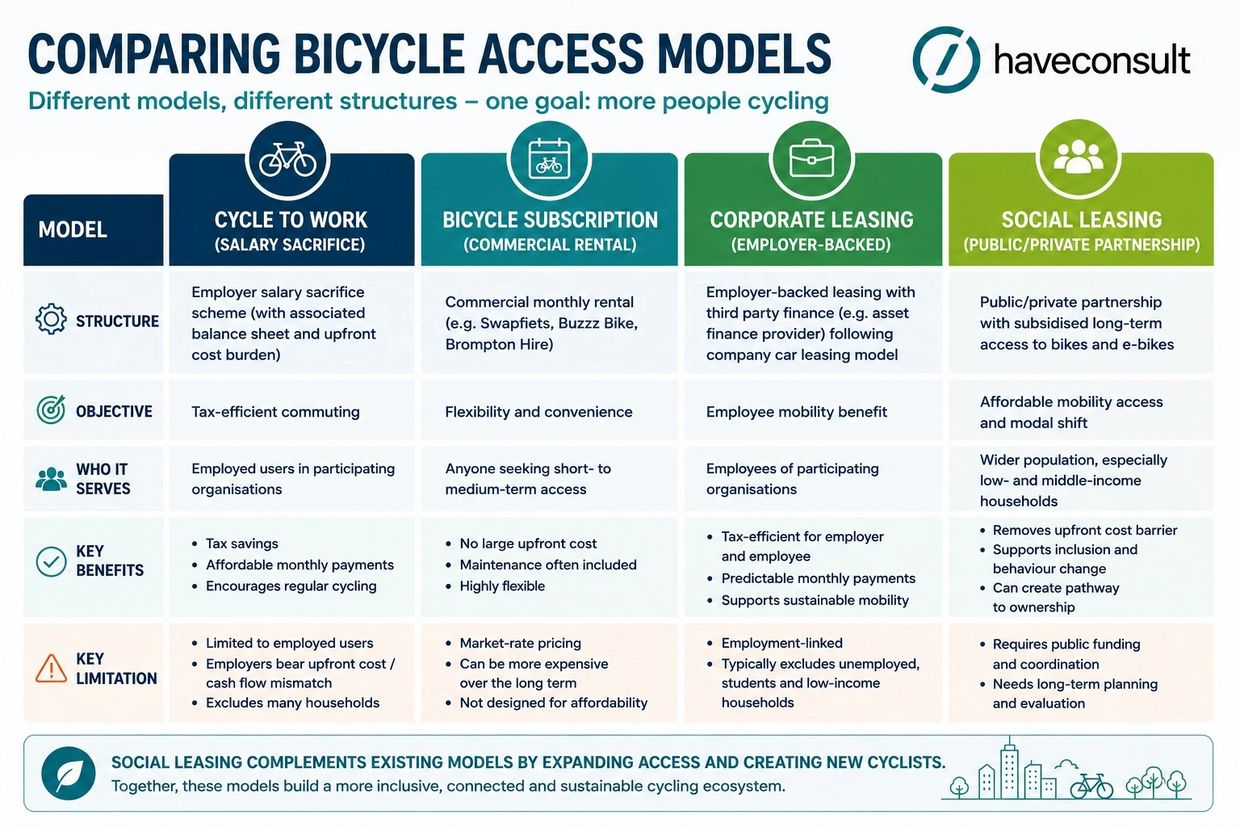
Figure 1: Comparing Bicycle Access Models
Why Social Leasing Matters
Across the UK and Europe, transport is becoming increasingly expensive. Rising rail fares, fuel prices, insurance costs, and the overall cost of living are placing growing pressure on households. At the same time, cities are attempting to reduce congestion, improve air quality, and accelerate the shift toward lower-carbon transport. Yet one major challenge remains: accessibility. While cycling is often presented as an affordable and sustainable mobility solution, the reality is that many people still cannot afford the upfront cost of a quality bicycle or e-bike. Even where cycling infrastructure exists, cost barriers continue to limit bicycle access—particularly for lower-income households and people living outside dense urban centres. This is where social leasing is beginning to emerge as a transformative mobility model. Already gaining momentum across parts of Europe, social leasing creates affordable access to bicycles and e-bikes through subsidised long-term rental or leasing programmes. Instead of requiring consumers to spend £2,000–£4,000 upfront on an e-bike, social leasing enables access through manageable monthly payments, often supported through public funding, mobility authorities, and more recently, the EU Social Climate Fund. As the cycling industry and transport systems evolve toward more integrated, sustainable urban mobility, social leasing could become one of the most important tools for accelerating cycling uptake and reducing transport inequality.
Case Study
France & Véligo: Europe's Leading Social Leasing Model
Across the UK and Europe, transport is becoming increasingly expensive. Rising rail fares, fuel prices, insurance costs, and the overall cost of living are placing growing pressure on households. At the same time, cities are attempting to reduce congestion, improve air quality, and accelerate the shift toward lower-carbon transport. Yet one major challenge remains: accessibility. While cycling is often presented as an affordable and sustainable mobility solution, the reality is that many people still cannot afford the upfront cost of a quality bicycle or e-bike. Even where cycling infrastructure exists, cost barriers continue to limit bicycle access—particularly for lower-income households and people living outside dense urban centres. This is where social leasing is beginning to emerge as a transformative mobility model. Already gaining momentum across parts of Europe, social leasing creates affordable access to bicycles and e-bikes through subsidised long-term rental or leasing programmes. Instead of requiring consumers to spend £2,000–£4,000 upfront on an e-bike, social leasing enables access through manageable monthly payments, often supported through public funding, mobility authorities, and more recently, the EU Social Climate Fund. As the cycling industry and transport systems evolve toward more integrated, sustainable urban mobility, social leasing could become one of the most important tools for accelerating cycling uptake and reducing transport inequality.
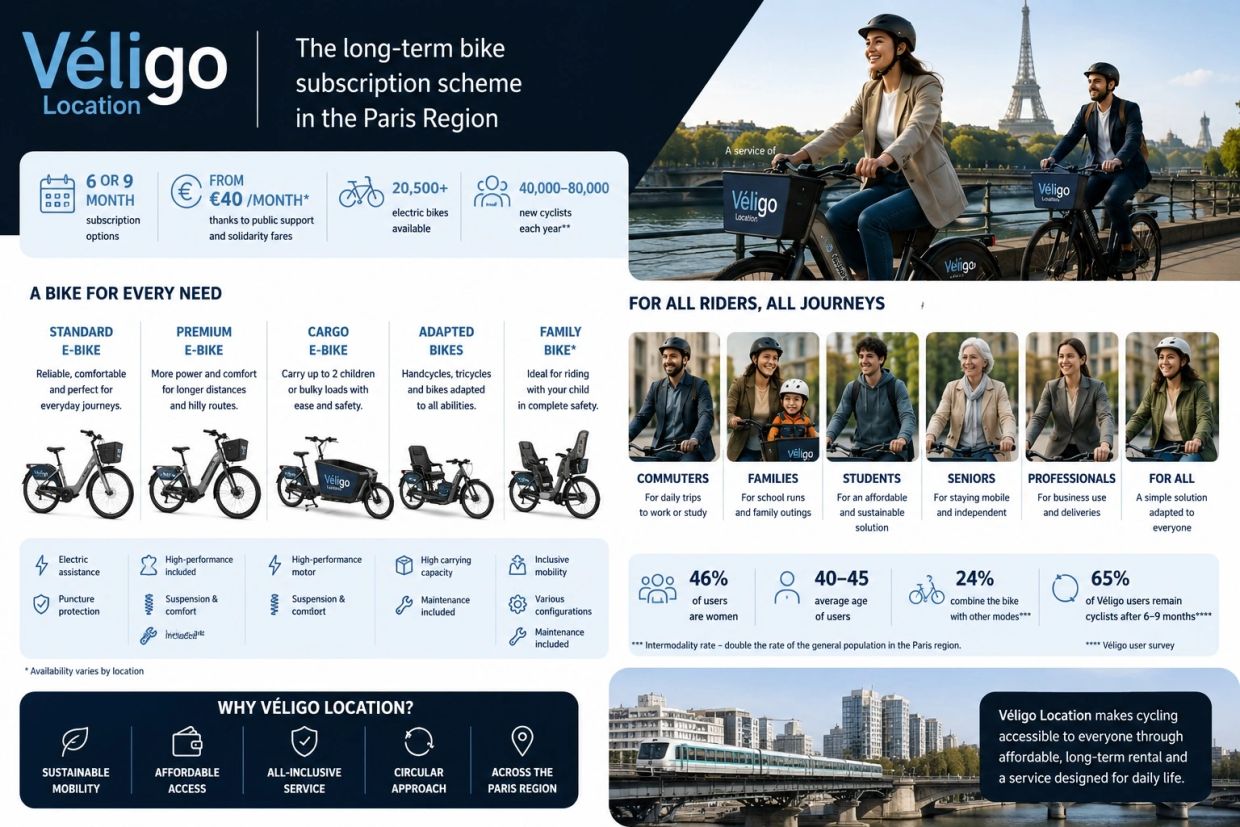
Figure 2: France & Véligo: Europe's Leading Social Leasing Model
Image Credits: Véligo Location & Île-de-France Mobilités
Across the UK and Europe, transport is becoming increasingly expensive. Rising rail fares, fuel prices, insurance costs, and the overall cost of living are placing growing pressure on households. At the same time, cities are attempting to reduce congestion, improve air quality, and accelerate the shift toward lower-carbon transport. Yet one major challenge remains: accessibility. While cycling is often presented as an affordable and sustainable mobility solution, the reality is that many people still cannot afford the upfront cost of a quality bicycle or e-bike. Even where cycling infrastructure exists, cost barriers continue to limit bicycle access—particularly for lower-income households and people living outside dense urban centres. This is where social leasing is beginning to emerge as a transformative mobility model. Already gaining momentum across parts of Europe, social leasing creates affordable access to bicycles and e-bikes through subsidised long-term rental or leasing programmes. Instead of requiring consumers to spend £2,000–£4,000 upfront on an e-bike, social leasing enables access through manageable monthly payments, often supported through public funding, mobility authorities, and more recently, the EU Social Climate Fund. As the cycling industry and transport systems evolve toward more integrated, sustainable urban mobility, social leasing could become one of the most important tools for accelerating cycling uptake and reducing transport inequality.

Figure 3: Social Leasing In Numbers.
Source: French Public Bicycle Report, ADEME & AAVP 2025
Behavioural Change at Scale
Across the UK and Europe, transport is becoming increasingly expensive. Rising rail fares, fuel prices, insurance costs, and the overall cost of living are placing growing pressure on households. At the same time, cities are attempting to reduce congestion, improve air quality, and accelerate the shift toward lower-carbon transport. Yet one major challenge remains: accessibility. While cycling is often presented as an affordable and sustainable mobility solution, the reality is that many people still cannot afford the upfront cost of a quality bicycle or e-bike. Even where cycling infrastructure exists, cost barriers continue to limit bicycle access—particularly for lower-income households and people living outside dense urban centres. This is where social leasing is beginning to emerge as a transformative mobility model. Already gaining momentum across parts of Europe, social leasing creates affordable access to bicycles and e-bikes through subsidised long-term rental or leasing programmes. Instead of requiring consumers to spend £2,000–£4,000 upfront on an e-bike, social leasing enables access through manageable monthly payments, often supported through public funding, mobility authorities, and more recently, the EU Social Climate Fund. As the cycling industry and transport systems evolve toward more integrated, sustainable urban mobility, social leasing could become one of the most important tools for accelerating cycling uptake and reducing transport inequality.
Figure 4: How Social Leasing Creates Lasting Mobility Behaviour Change
The Future of Social Leasing
Across the UK and Europe, transport is becoming increasingly expensive. Rising rail fares, fuel prices, insurance costs, and the overall cost of living are placing growing pressure on households. At the same time, cities are attempting to reduce congestion, improve air quality, and accelerate the shift toward lower-carbon transport. Yet one major challenge remains: accessibility. While cycling is often presented as an affordable and sustainable mobility solution, the reality is that many people still cannot afford the upfront cost of a quality bicycle or e-bike. Even where cycling infrastructure exists, cost barriers continue to limit bicycle access—particularly for lower-income households and people living outside dense urban centres. This is where social leasing is beginning to emerge as a transformative mobility model. Already gaining momentum across parts of Europe, social leasing creates affordable access to bicycles and e-bikes through subsidised long-term rental or leasing programmes. Instead of requiring consumers to spend £2,000–£4,000 upfront on an e-bike, social leasing enables access through manageable monthly payments, often supported through public funding, mobility authorities, and more recently, the EU Social Climate Fund. As the cycling industry and transport systems evolve toward more integrated, sustainable urban mobility, social leasing could become one of the most important tools for accelerating cycling uptake and reducing transport inequality.
Why Social Leasing Could Transform Urban Mobility
haveconsult supports public authorities, operators, industry organizations, and commercial partners in navigating the future of bicycle access and urban mobility strategies within the cycling industry.
👉 Contact us to discuss partnership opportunities, strategic advisory support, or emerging programs across the UK and Europe.
Copyright © 2026 haveconsult - All Rights Reserved. haveconsult is a trading name of Have Consulting Ltd